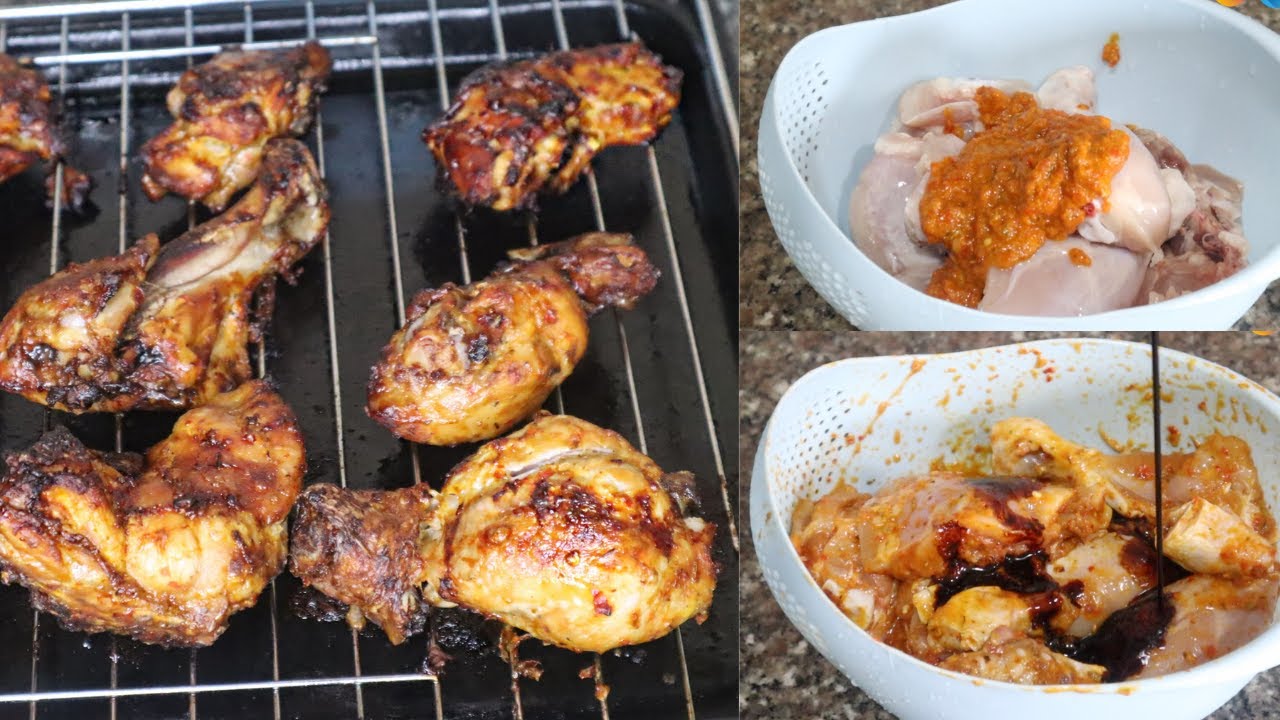
Mastering the Art of Oven-Grilled Chicken: Why It's a Game Changer
Imagine succulent, tender chicken with perfectly crispy skin, all achieved without the fuss and unpredictability of an outdoor grill. This culinary dream is entirely possible right in your own kitchen oven! For home cooks around the world, whether you're searching for "Kip Grillen In Oven" (Dutch for grilling chicken in the oven) or simply seeking a foolproof method for delicious poultry, the oven grill offers an unparalleled combination of convenience and incredible results. It’s a fantastic way to prepare a memorable meal with minimal mess and maximum flavor.
Far from being a complicated task, oven grilling chicken is a skill easily mastered with a few key insights. The secret truly lies in understanding the nuances of temperature and time, ensuring your chicken is cooked through and juicy on the inside, while developing that desirable golden-brown, crispy exterior. We'll delve into these crucial details, exploring how to transform various chicken cuts into culinary masterpieces, from individual fillets to a grand whole roasted bird.
The Crucial Duo: Temperature and Time for Perfect Doneness
Achieving perfectly oven-grilled chicken hinges on a delicate balance between heat intensity and duration. It’s an art form where the goal is a fully cooked interior and a tantalizingly crisp exterior. Each oven has its own personality, so while we provide guidelines, your observation remains your most valuable tool. Often, the "grill" or "broil" setting is what you'll be using, delivering direct top-down heat similar to an outdoor grill.
Setting Your Oven for Success: Ideal Temperature
When it comes to temperature, consistency is key. For most oven grilling, a medium-high setting, typically ranging from 200-220 degrees Celsius (390-430 degrees Fahrenheit), proves ideal. This range provides enough heat to crisp the skin effectively without charring it too quickly before the chicken is cooked through. If your oven has specific grill settings (e.g., low, medium, high), opting for "medium" is generally a safe bet. Always remember to preheat your oven thoroughly before placing the chicken inside to ensure an even cooking start.
Timing Your Grill: An Educated Guesswork
The exact cooking time is highly variable and depends on several factors. This is where an understanding of your chicken cut and the power of your oven truly comes into play:
- Size and Thickness: A whole chicken, naturally, requires significantly more time than smaller pieces like wings or fillets. Thicker cuts will always take longer to reach the safe internal temperature.
- Type of Cut: Leaner cuts like chicken breast cook faster but are more prone to drying out if overcooked. Dark meat cuts (thighs, drumsticks) are more forgiving.
- Distance from the Grill Element: The closer your chicken is to the heat source, the faster it will brown and cook. Adjust your oven rack height accordingly. For most grilling, placing the chicken on a rack in the middle of the oven, or slightly above, works well.
As a general guideline, here are estimated grilling times:
- Chicken Drumsticks/Legs: 20-30 minutes
- Chicken Wings: 15-20 minutes
- Chicken Fillets/Breasts: 10-15 minutes
- Whole Chicken: 45-60 minutes (depending heavily on size, typically 1.5-2 kg / 3-4 lbs)
It’s crucial to turn the chicken halfway through the grilling time to ensure even browning and cooking on all sides. If you notice the exterior browning too rapidly, don't hesitate to loosely cover the chicken with aluminum foil to prevent burning while the interior finishes cooking.
The Ultimate Indicator: Core Internal Temperature
While timing provides a useful estimate, relying solely on it can lead to undercooked or overcooked chicken. The most reliable way to guarantee perfect doneness and food safety is to use a meat thermometer. This simple tool is your best friend in the kitchen.
The target safe internal temperature for all poultry is 75 degrees Celsius (165 degrees Fahrenheit). Insert the meat thermometer into the thickest part of the chicken, making sure it doesn't touch any bones, which can give an inaccurate reading. Once the thermometer registers 75°C (165°F), your chicken is done.
For an even more in-depth guide to achieving truly perfect results every time, we recommend checking out How to Grill Chicken in the Oven: Perfect Crispy & Juicy Results.
After reaching the target temperature, resist the urge to carve immediately. Remove the chicken from the oven and let it rest on a cutting board or platter, loosely tented with foil, for 5-10 minutes (longer for a whole chicken). This crucial resting period allows the juices to redistribute throughout the meat, resulting in incredibly moist and flavorful chicken. Skipping this step can lead to dry, less satisfying results as the juices will simply run out when you cut into it.
From Whole Roasts to Quick Bites: Grilling Different Chicken Cuts
The beauty of oven grilling is its versatility. Whether you're preparing a grand feast or a quick weeknight meal, the same principles apply, with minor adjustments for each cut. If you're looking to Grill Any Chicken in Your Oven: From Fillet to Whole Bird Guide, here's how to tailor your approach.
Whole Chicken: A Grand Feast from Your Oven
There's something incredibly satisfying about pulling a perfectly roasted whole chicken from the oven. For many, the aroma evokes fond memories, perhaps of Sunday family dinners where the entire house filled with the delicious scent of roasting poultry, much like the cherished tradition of "Kip Grillen In Oven" from childhoods past. Beyond its impressive presentation, a whole chicken grilled in the oven is surprisingly straightforward to prepare.
Before grilling, pat the chicken completely dry. This is a critical step for achieving crispy skin. Season generously, both inside and out, perhaps with a rub of herbs, spices, salt, and pepper, or even a simple lemon and garlic stuffing for added aroma. Many enjoy placing potatoes, carrots, or onions in the roasting pan beneath the chicken; they’ll absorb all the flavorful drippings, transforming into an incredible side dish that's rich with the essence of chicken fat and seasonings.
Place the chicken, breast-side up, on a roasting rack set inside a pan. This allows air to circulate and fat to drip away, preventing the bottom from becoming soggy. For a whole chicken, start by grilling at the recommended temperature (200-220°C / 390-430°F) for the estimated 45-60 minutes, rotating the pan halfway through. Always verify doneness with your meat thermometer in the thickest part of the thigh, avoiding the bone.
Drumsticks, Wings, and Fillets: Quick & Delicious
Smaller chicken pieces are perfect for speedy meals or appetizers. They benefit immensely from oven grilling, achieving that desirable crispiness without much fuss:
- Chicken Drumsticks and Thighs: These dark meat cuts are forgiving and stay juicy due to their higher fat content. Season well and arrange them in a single layer on a baking sheet with a wire rack. Turn them every 10-15 minutes to ensure even cooking and browning.
- Chicken Wings: Ideal for appetizers or casual meals. For extra crispiness, you might try patting them very dry and even tossing them with a little baking powder and salt before seasoning. Grill, turning frequently, until golden and crispy.
- Chicken Fillets/Breasts: These lean cuts cook quickly and are prone to drying out. To prevent this, ensure they are of similar thickness by lightly pounding them if necessary. Marinades are particularly beneficial for chicken breasts, adding flavor and helping to retain moisture. Grill for the shorter end of the time range (10-15 minutes), turning once, and always check with a thermometer.
Elevating Your Oven-Grilled Chicken: Beyond the Basics
While mastering temperature and time is paramount, a few additional tips can elevate your oven-grilled chicken from good to extraordinary:
- The Power of Marinades and Seasonings: Don't underestimate the impact of a good marinade or dry rub. Marinades, often containing acids (like lemon juice or vinegar), oils, and herbs, tenderize the meat and infuse it with flavor. Dry rubs, a mix of spices and salt, create a delicious crust. Apply them at least 30 minutes before grilling, or ideally, several hours or overnight for deeper flavor.
- Choose the Right Cookware: A good quality roasting pan with a wire rack is essential. The rack lifts the chicken, allowing hot air to circulate all around it and preventing the bottom from steaming instead of grilling.
- Preventing Burns: If your chicken is browning too quickly on the outside while the inside still needs more time, simply tent it loosely with aluminum foil. This acts as a shield, protecting the skin from excessive charring while the chicken finishes cooking.
- Don't Overcrowd the Pan: Give your chicken pieces space! Arranging them in a single layer with a bit of room between each piece allows the hot air to circulate freely, promoting even cooking and crispy skin. Overcrowding leads to steaming, not grilling.
Conclusion
Oven grilling chicken is a wonderfully rewarding cooking method that delivers consistently delicious results with minimal effort. By understanding the critical interplay of oven temperature and cooking time, and by always verifying doneness with a reliable meat thermometer, you can achieve chicken that is perfectly juicy, tender, and boasts that irresistible crispy skin. Whether you're preparing a quick weeknight meal of chicken fillets or a majestic whole roasted bird for a special occasion, these techniques will empower you to create culinary magic right in your own kitchen. So go ahead, embrace the convenience and flavor of oven-grilled chicken, and delight in the perfect doneness every single time!